

Facilities
NRCI’s research is supported by three laboratories at Carriganore House on the SETU West Campus, bringing together clinical assessment of vision, analytical chemistry and biomarker analysis under one roof.
Clinical eye assessment
Vision Lab
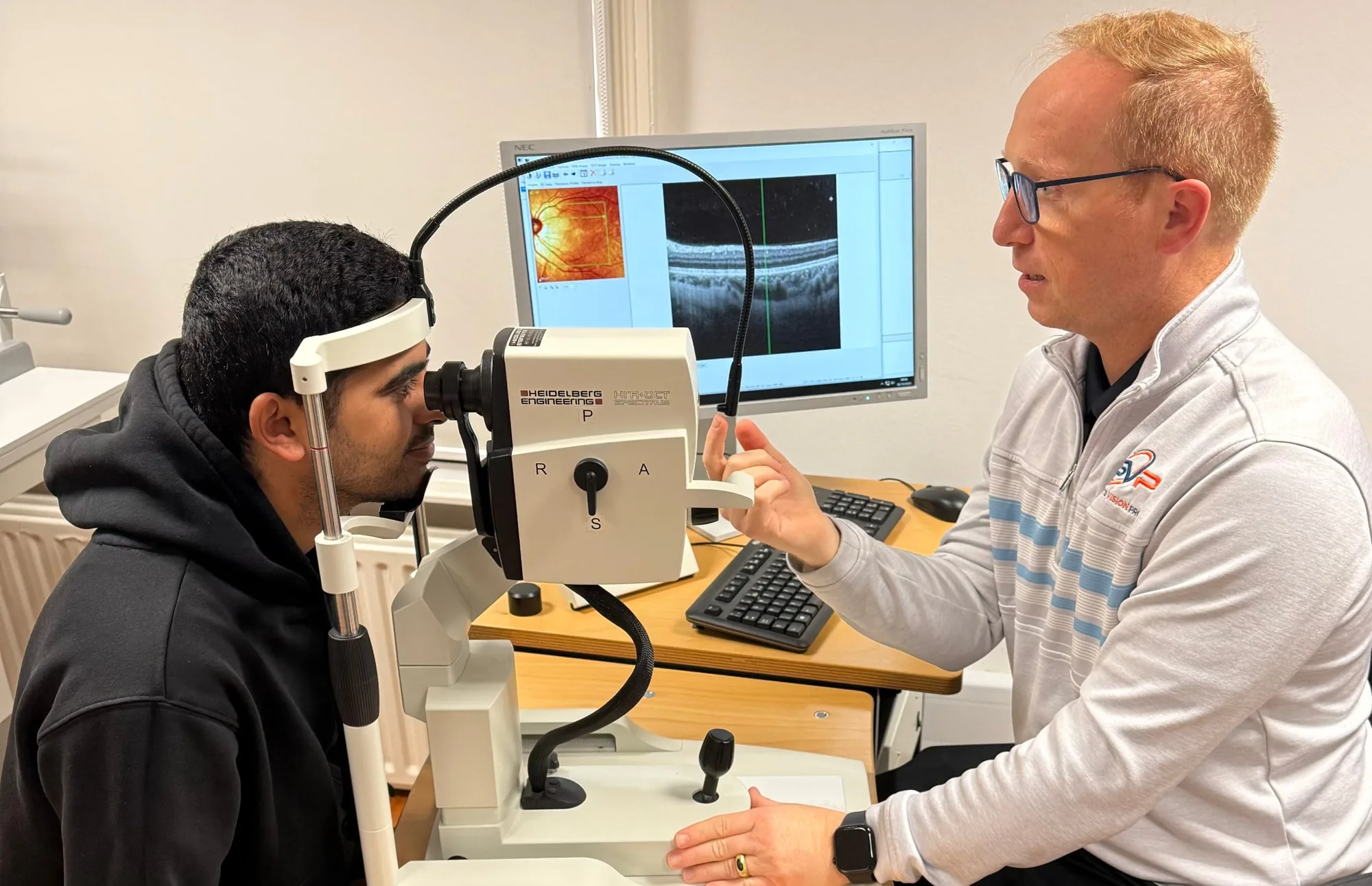
The Vision Lab is where study participants attend for their clinical eye assessments. Here the NRCI team images the retina, measures macular pigment and examines the eye for its trials and observational studies, using the instruments described below.
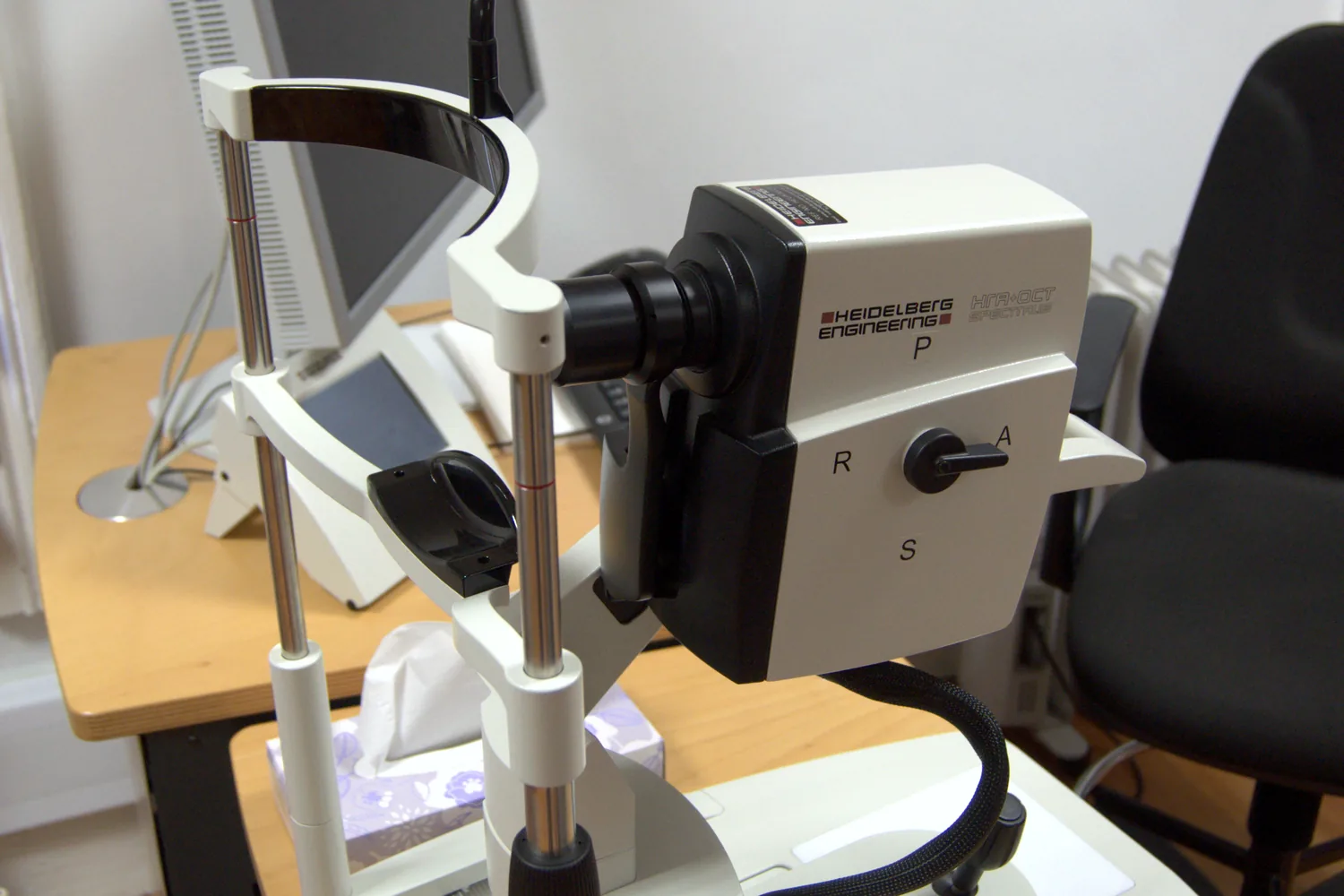
Spectralis HRA+OCT
Heidelberg Engineering
The Spectralis combines spectral domain optical coherence tomography (OCT), which produces cross-sectional images of the retinal layers, with confocal scanning laser ophthalmoscopy. Using dual-wavelength autofluorescence, it also measures the optical density and spatial distribution of macular pigment across the central retina.
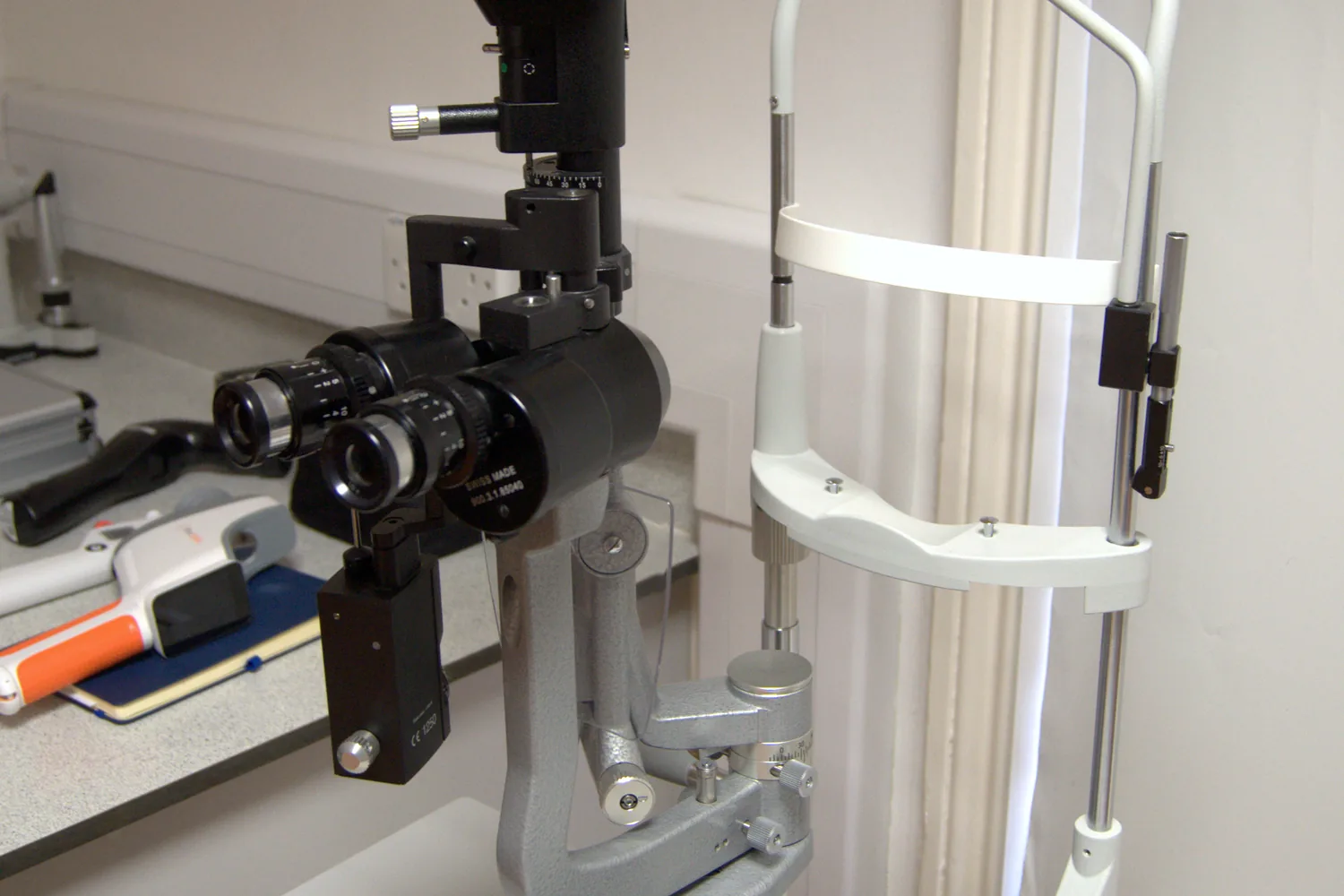
Slit lamp biomicroscope
Haag-Streit
A binocular microscope with an adjustable slit of light, used to examine the eyelids, conjunctiva, cornea, anterior chamber and lens under magnification. With an additional handheld lens, it can also be used to view the retina and optic nerve head.
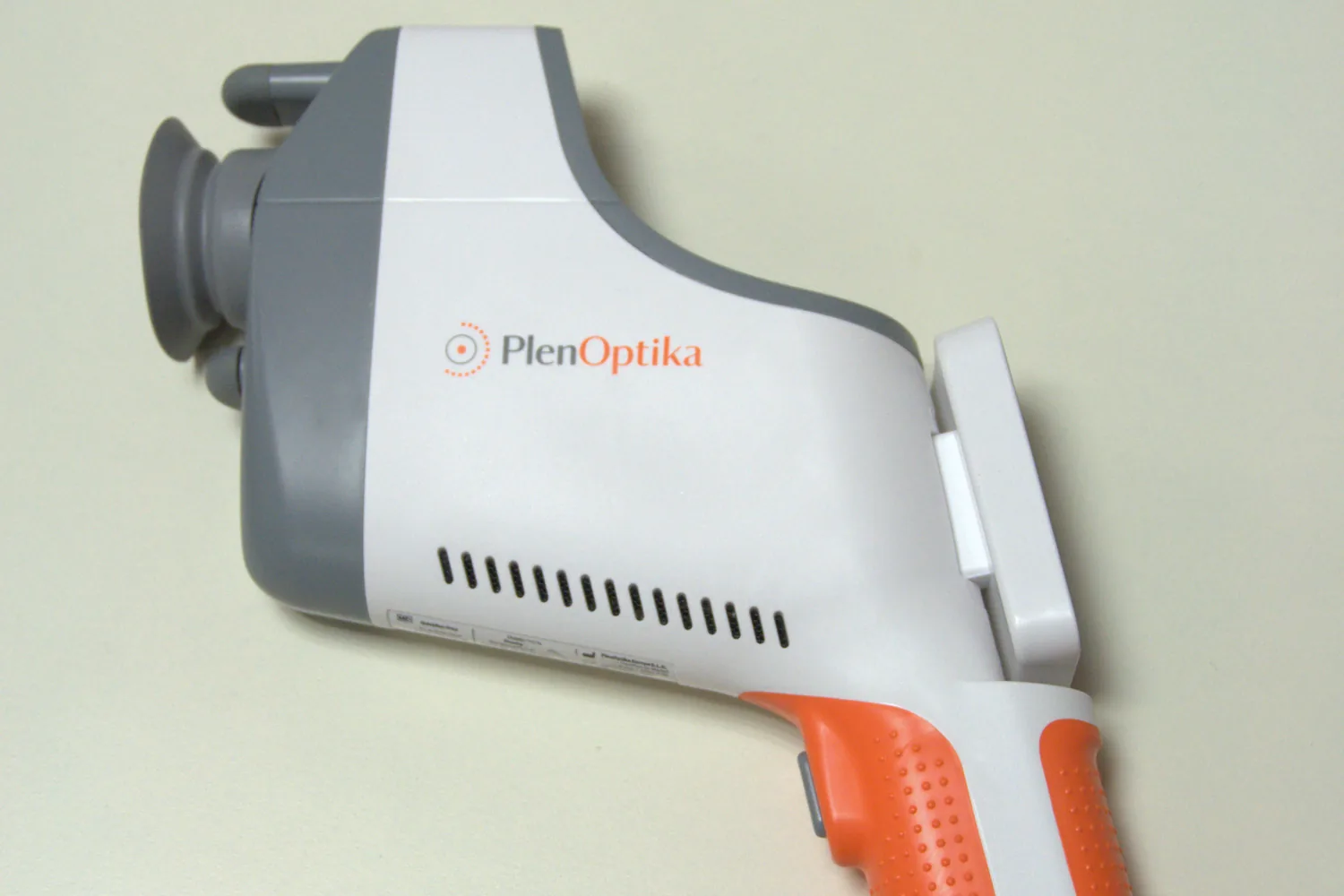
QuickSee autorefractor
PlenOptika
A handheld wavefront autorefractor that measures the refractive error of the eye and gives an estimate of the spectacle prescription. Because it is portable, eye assessments can also be carried out outside the lab.
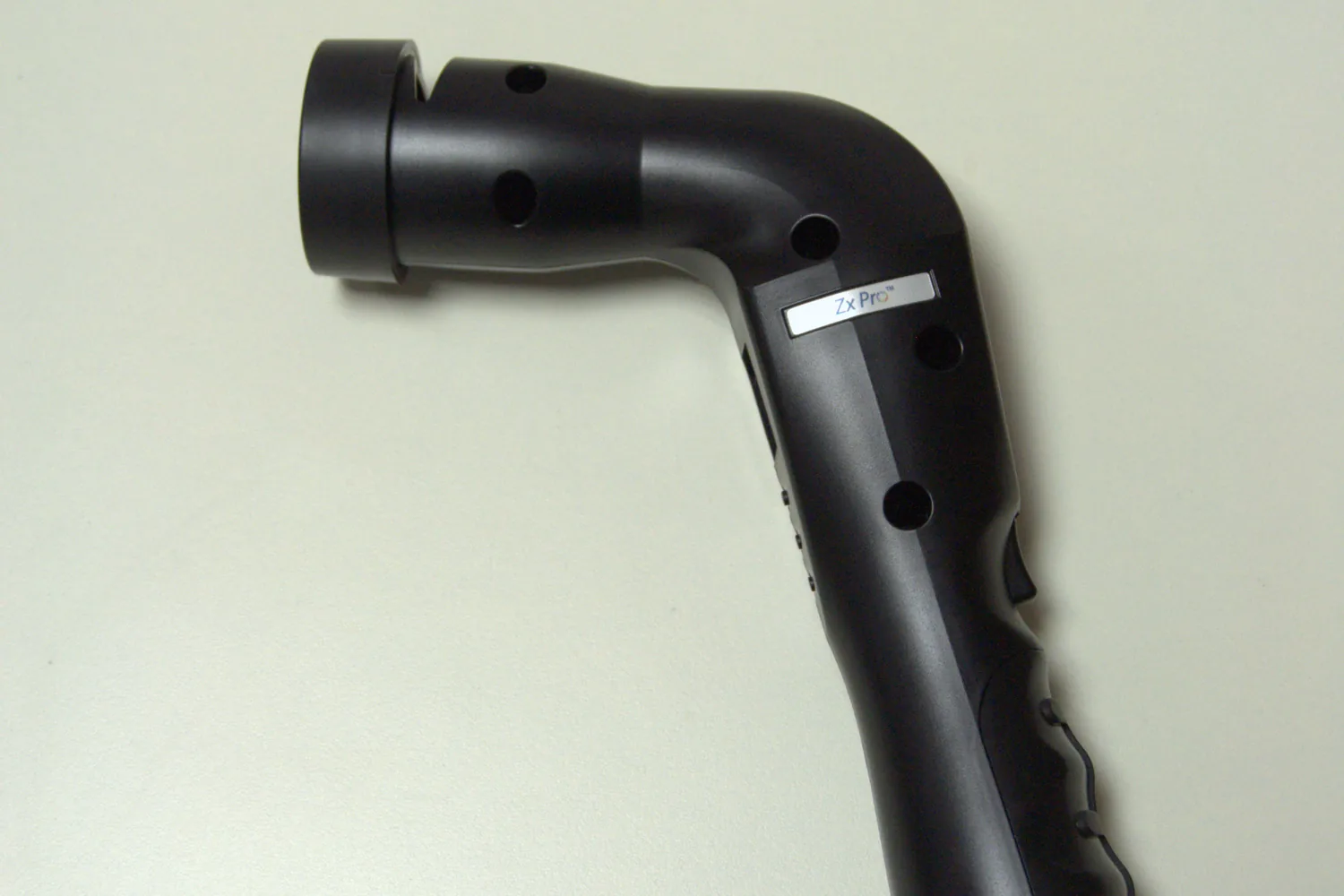
Zx Pro macular pigment densitometer
EyePromise (ZeaVision)
A handheld heterochromatic flicker photometer that measures macular pigment optical density at the centre of the macula. The participant looks at a small target that alternates between blue and green light and presses a button when it appears to flicker; from these responses the device calculates the macular pigment level.
Biochemistry
Howard Lab
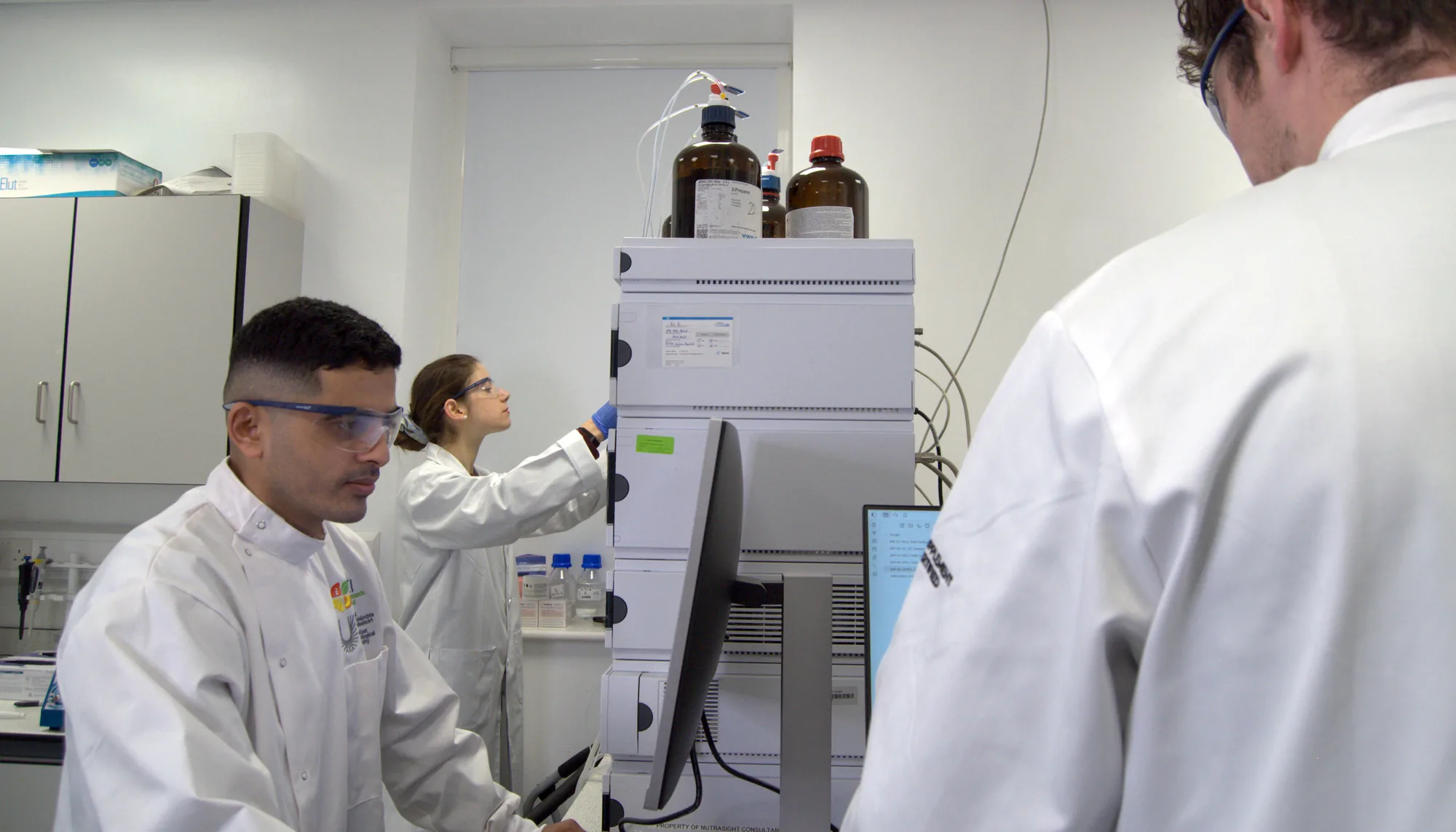
The Howard Lab is the NRCI's analytical chemistry laboratory. Here the team measures carotenoids, fatty acids and other bioactive compounds in blood, foods and supplements, for its clinical trials as well as its food development and supplement quality studies.
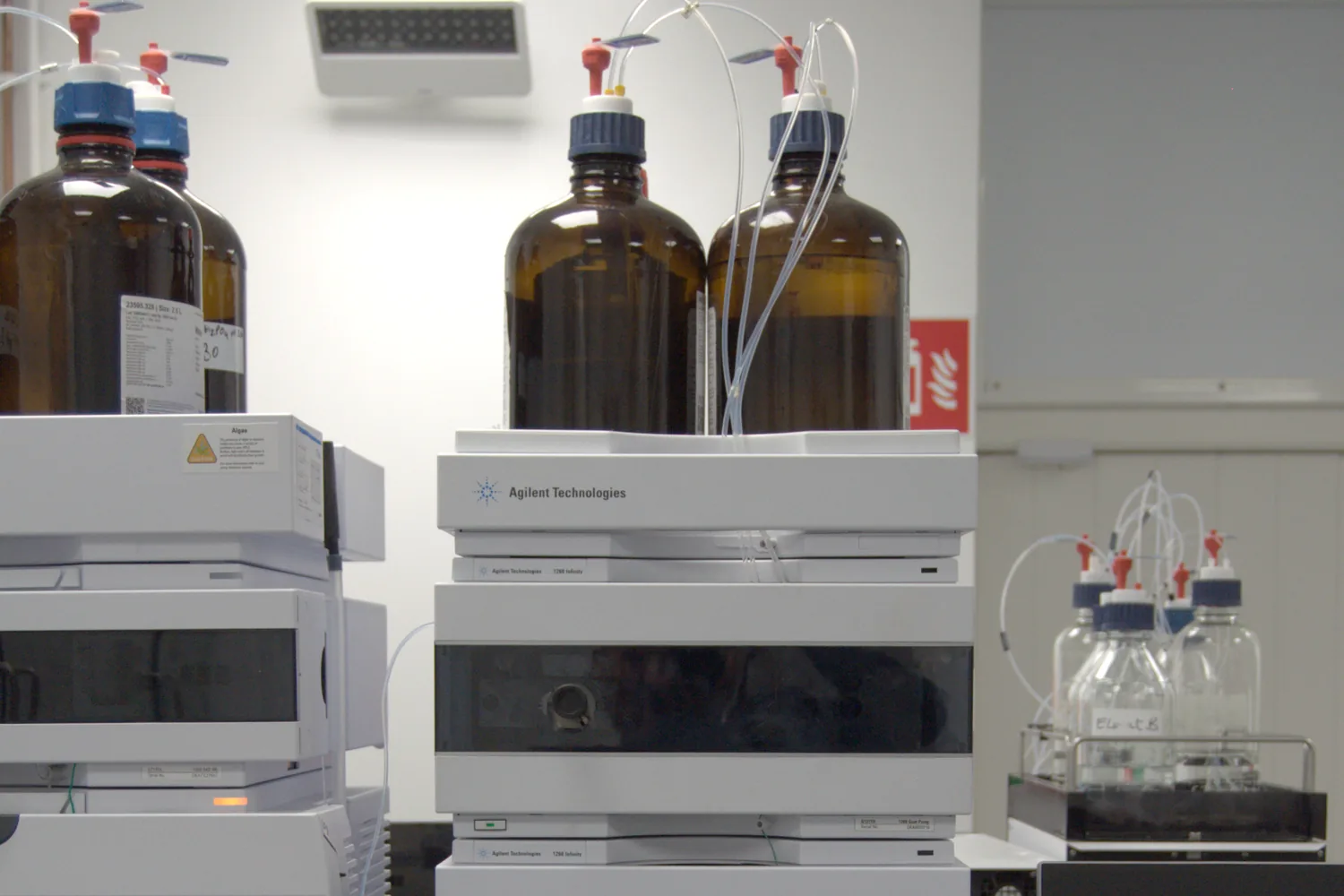
HPLC with diode array detector (×2)
Agilent 1260
High performance liquid chromatography (HPLC) is used to separate and quantify carotenoids such as lutein, zeaxanthin and meso-zeaxanthin. The diode array detector records the full absorbance spectrum of each peak, which helps to identify the compounds. The lab has two of these systems; one is fitted with an analytical fraction collector for isolating individual compounds.
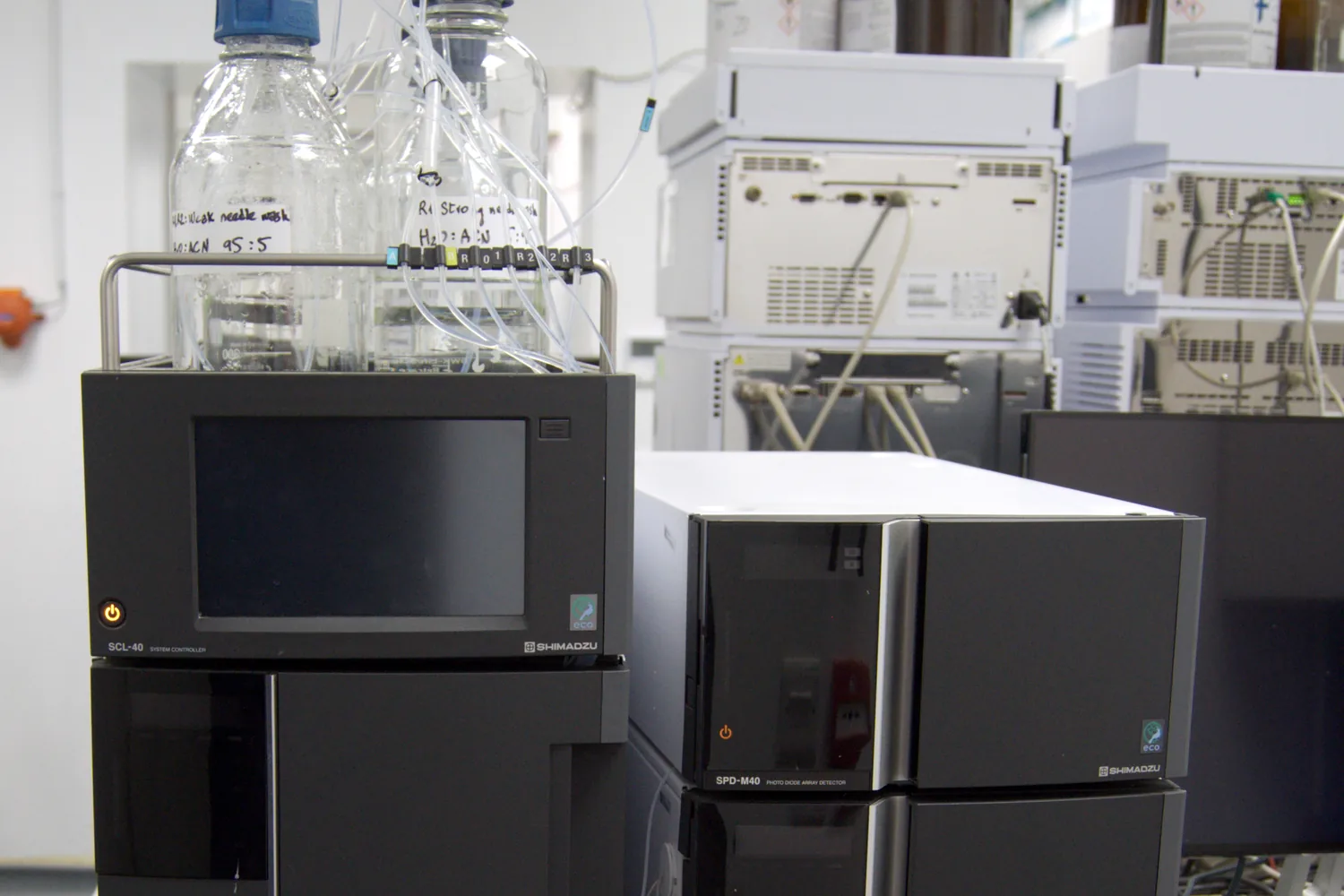
UHPLC
Shimadzu Nexera
Ultra high performance liquid chromatography (UHPLC) uses columns with smaller particles and higher pressures than conventional HPLC, giving faster separations at higher resolution. It is used to separate and quantify carotenoids and other bioactive compounds.
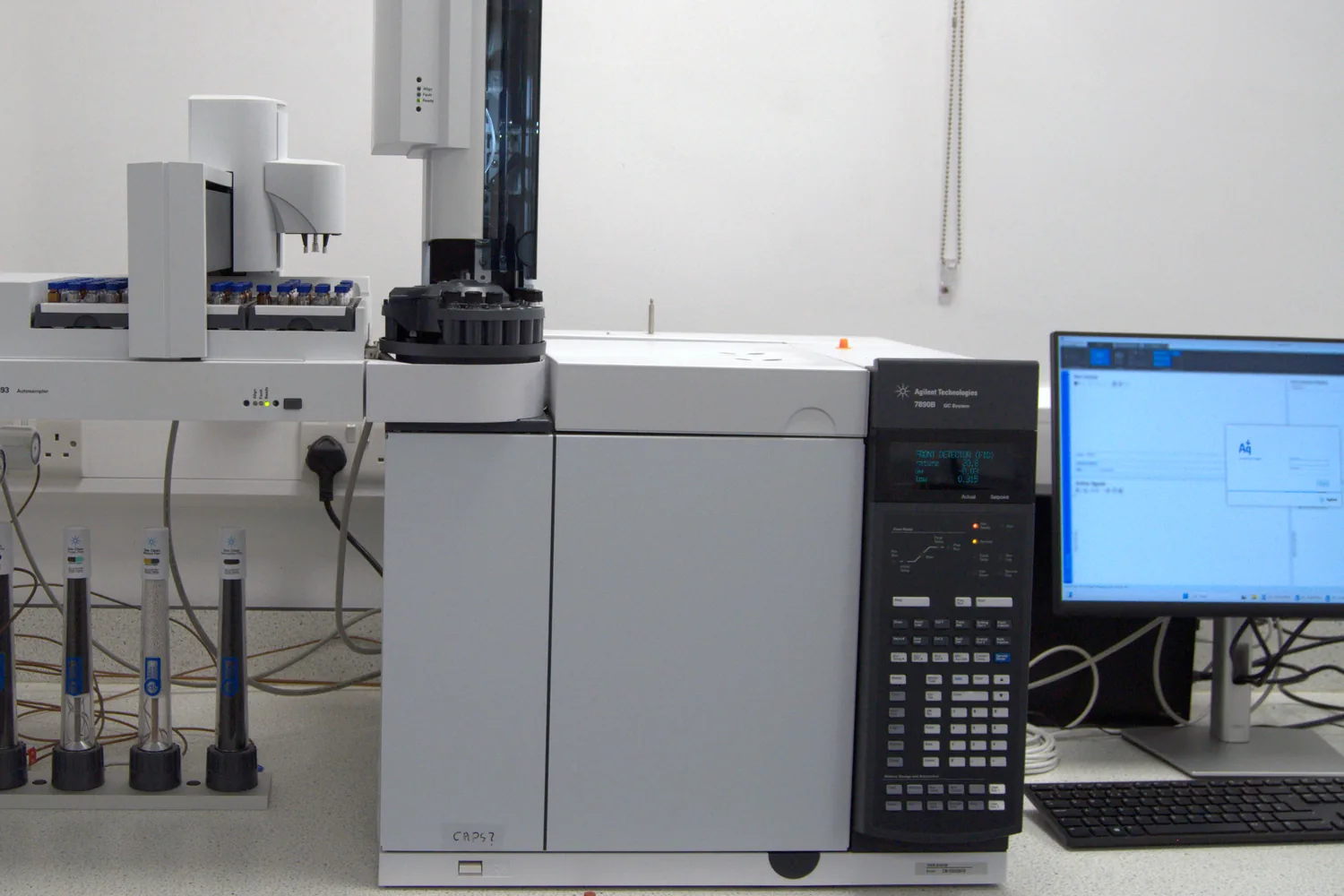
GC-FID
Agilent 7890B with 7693 autosampler
Gas chromatography with flame ionisation detection (GC-FID) is used to quantify omega-3 fatty acids such as EPA and DHA. The fatty acids are first converted to fatty acid methyl esters, which are separated on a capillary column and measured by the flame ionisation detector.
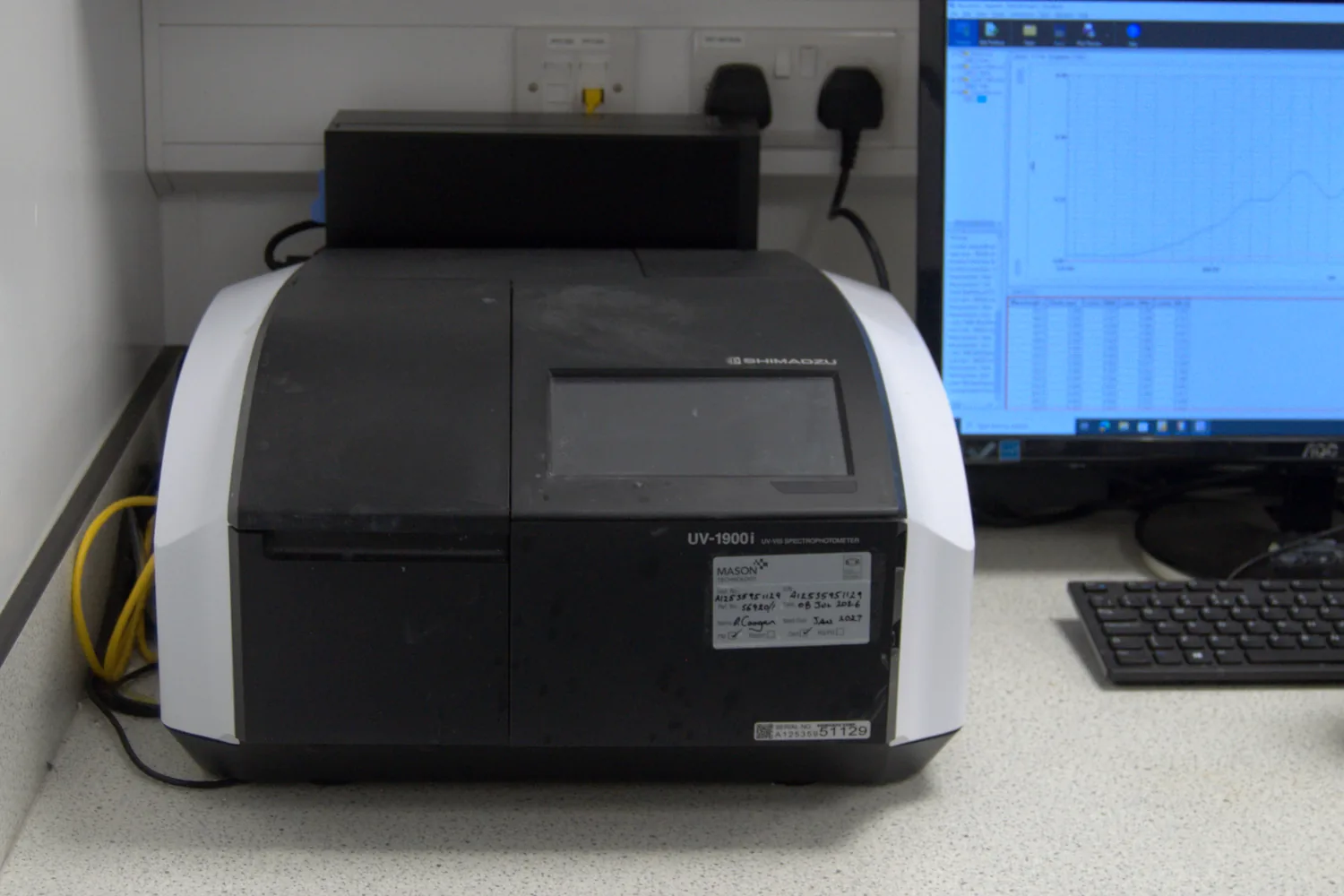
UV-Vis spectrophotometer
Shimadzu UV-1900i
Used to determine the exact concentration of carotenoid standard solutions from their absorbance and published extinction coefficients. These standards are then used to calibrate the HPLC and UHPLC systems.
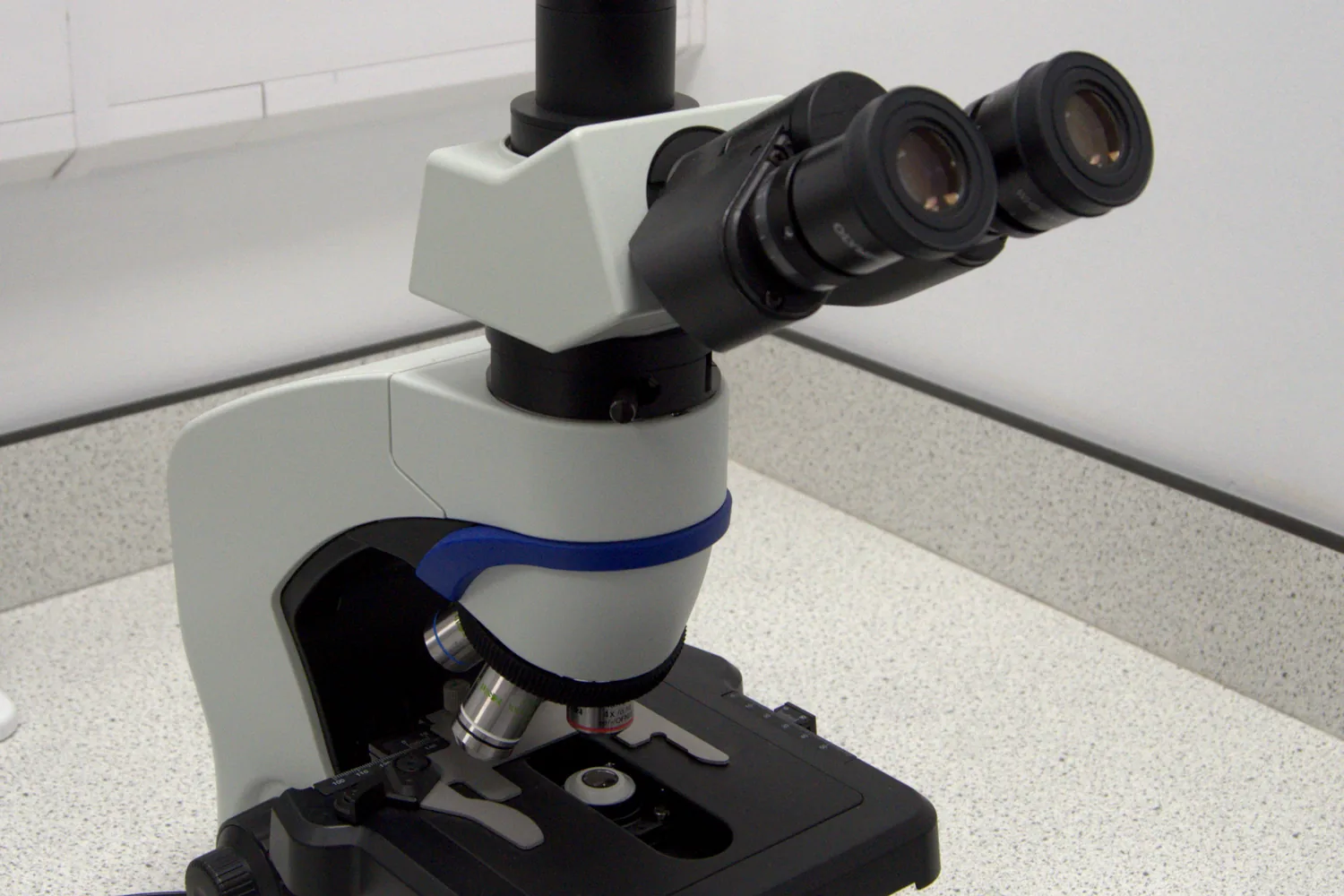
Light microscope
Trinocular, with digital camera
Used to examine supplement formulations and biological and microbiological samples. It has a mounted camera.
Biology
Darwin Lab
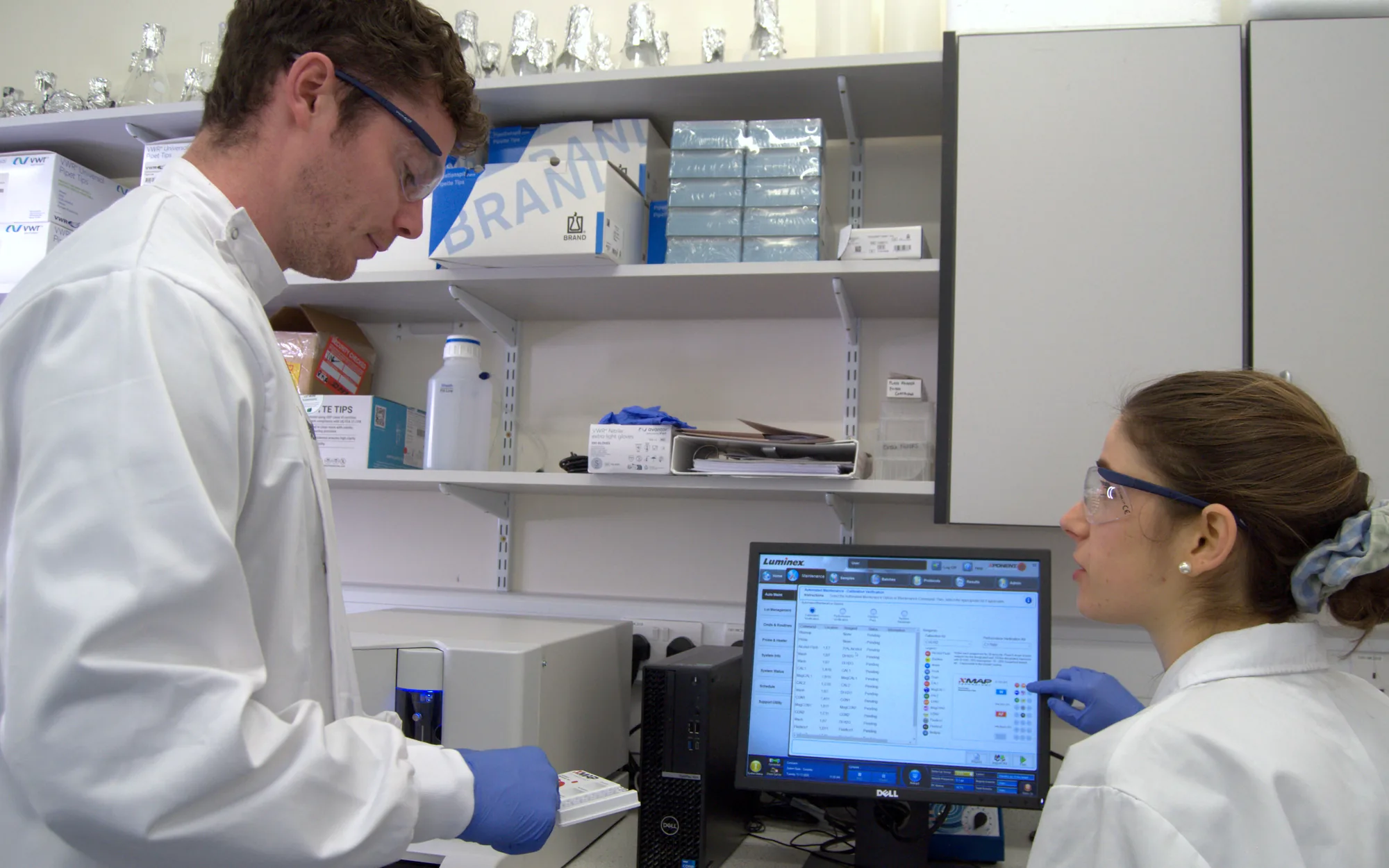
The Darwin Lab is the NRCI's biology laboratory. It is used to culture microalgae for the centre's food production research, and to measure biomarkers, such as markers of inflammation, in blood samples from its studies.
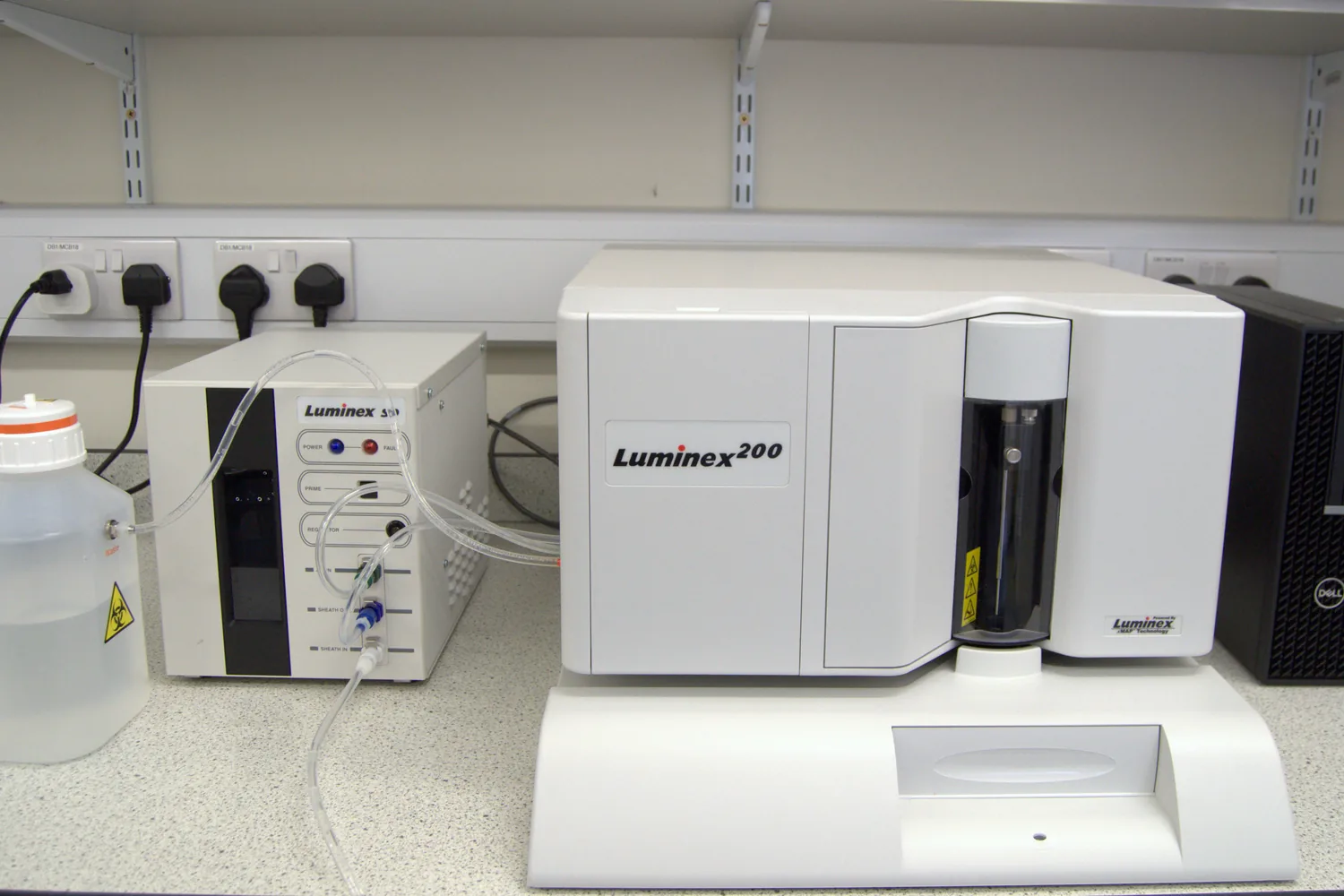
Multiplex immunoassay analyser
Luminex 200
The Luminex 200 measures many proteins at the same time in a single small sample. Each target, such as a cytokine or other marker of inflammation, is captured by antibodies on its own set of colour-coded microspheres, so that the equivalent of many ELISAs can be run together in one well. A sheath fluid delivery system supplies the analyser during each run.