
The Howard Foundation

Starting in 2009, the Howard Foundation, in collaboration with Industrial Organica (IOSA) in Mexico, supported the team at the Nutrition Research Centre Ireland (NRCI) at WIT (now SETU) to examine the benefits on visual function of giving a supplement containing the three macular carotenoids to both healthy adults and people with age-related macular degeneration (AMD). These studies expanded into other populations, including patients with Alzheimer’s disease and cognitive impairment. This added omega-3 fatty acids to the carotenoid supplement.
Click here to see the list of publications resulting from that research.
The Foundation
The Howard Foundation is a charitable trust registered in England and Wales (no. 285822), established in 1982 by Dr Alan Howard (1929–2020). Dr Howard was a nutritionist whose career spanned academic research at the University of Cambridge and business. The Foundation supports scientific research and philanthropy.
How the collaboration began
Dr Howard’s interest in the macular carotenoids dates from the 1990s, when a comparison of diets in Belfast and Toulouse, carried out with Professor David Thurnham, found higher concentrations of lutein and zeaxanthin in the Toulouse group, where coronary heart disease was much less common. Through Dr Richard Bone and Dr John Landrum of Florida International University, who had identified meso-zeaxanthin at the macula, the Foundation came into contact with IOSA, which produced meso-zeaxanthin.
In 2007, contacts were made with Dr Stephen Beatty and Dr John Nolan of Waterford Institute of Technology, and in 2009 Dr Howard began collaborating with Dr Nolan’s team. The first studies examined how supplements containing lutein, zeaxanthin and meso-zeaxanthin affect macular pigment and visual function, in MOST, CREST and related trials.
From the eye to the brain
Because lutein and zeaxanthin are also present in the brain, John Nolan proposed studying people with Alzheimer’s disease. The team found lower carotenoid concentrations in their blood and lower macular pigment; supplementation increased both but did not alter the expected decline in symptoms. A subsequent analysis of blood lipids, carried out at the MRC Nutrition Unit in Cambridge, showed low concentrations of the omega-3 fatty acids DHA and EPA. Fish oil and vitamin E were therefore added to the carotenoid formulation, an approach first reported in 2018 and then tested in the placebo-controlled ReMIND trial.
The Foundation also supports interdisciplinary work at NRCI, including that of Dr Anne Graham Cagney.
Projects supported by The Howard Foundation

BEST
2026 – 2030
Bright Eyes, Sharp Minds, Better Lives
Read more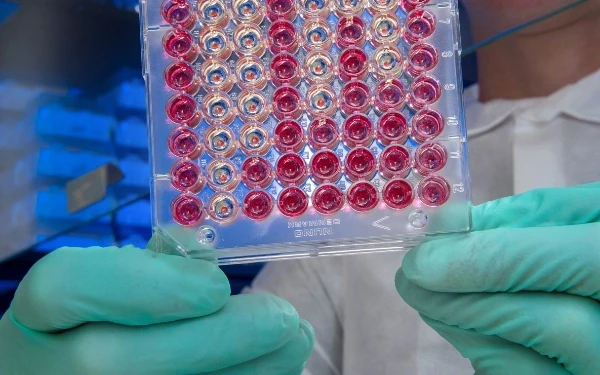
LIFE
2023 – 2024
Macular carotenoids, inflammation and cardiovascular markers
Read more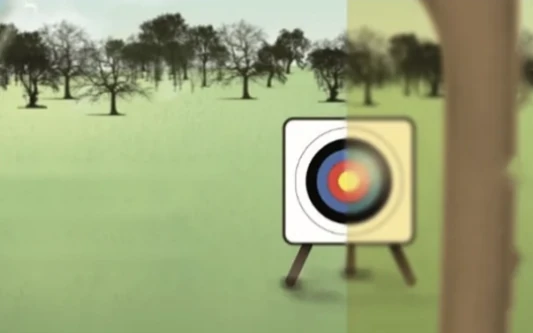
SNIPE
2022 – 2026
Sport Nutrition Intervention in Performance Exercise
Read more
FortiXan
2019 – 2023
Food Fortification with Xanthophylls
Read more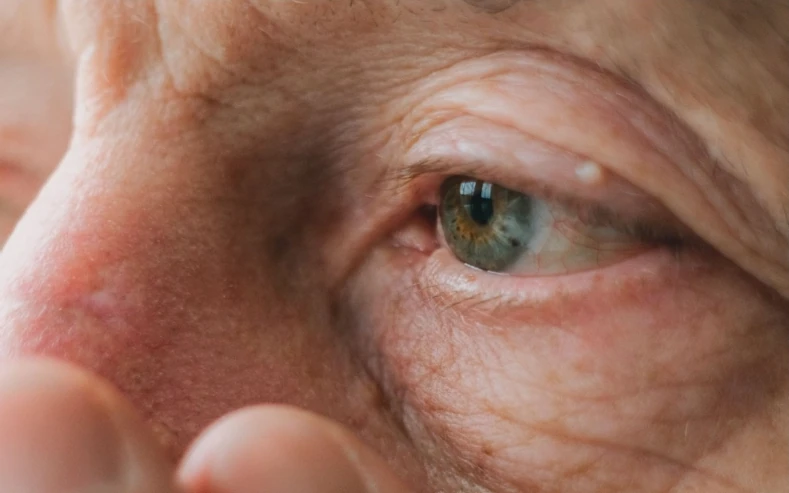
ReMIND
2018 – 2021
Memory Intervention with Nutrition for Dementia
Read more
COAST
2017 – 2018
Carotenoid-Omega Availability Study
Read more
CARES
2016 – 2019
Cognitive impAiRmEnt Study
Read more
CLAIMS
2014 – 2018
Carotenoid Label Accuracy In Macular Supplements
Read more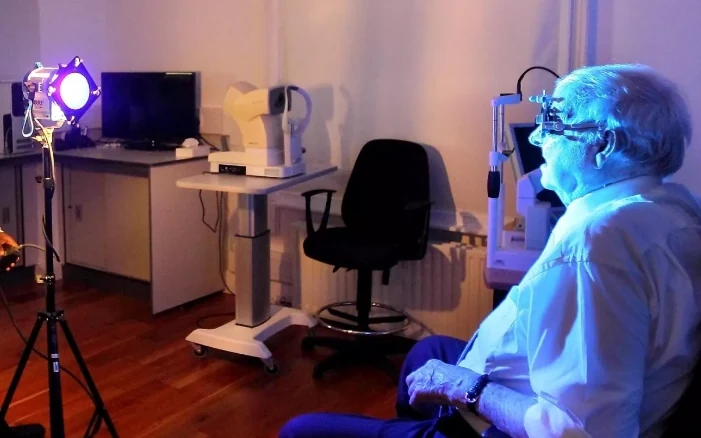
CREST
2011 – 2016
Central Retinal Enrichment Supplementation Trials
Read more
CARDS
2011 – 2014
Carotenoids and Age-Related Dementia Study
Read more
EXIT
2011 – 2014
Egg Xanthophyll Interventional Trial
Read more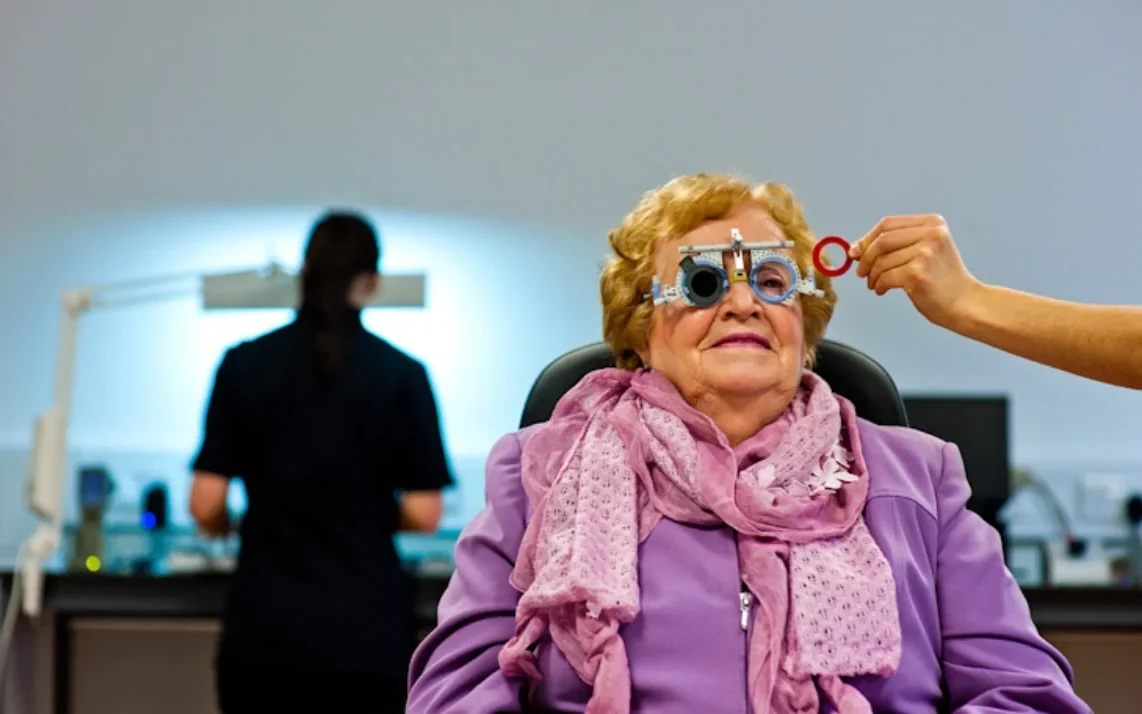
MOST
2008 – 2010
Meso-Zeaxanthin Ocular Supplementation Trials
Read more